Report on One-Day Excursion Visit to Entomon Institute of Invertebrate Zoology
Date: 11 August 2026
Organised by: Department of B.Sc.
Venue: Entomon Institute of Invertebrate Zoology, Aundh Study Site, District Satara
- Introduction
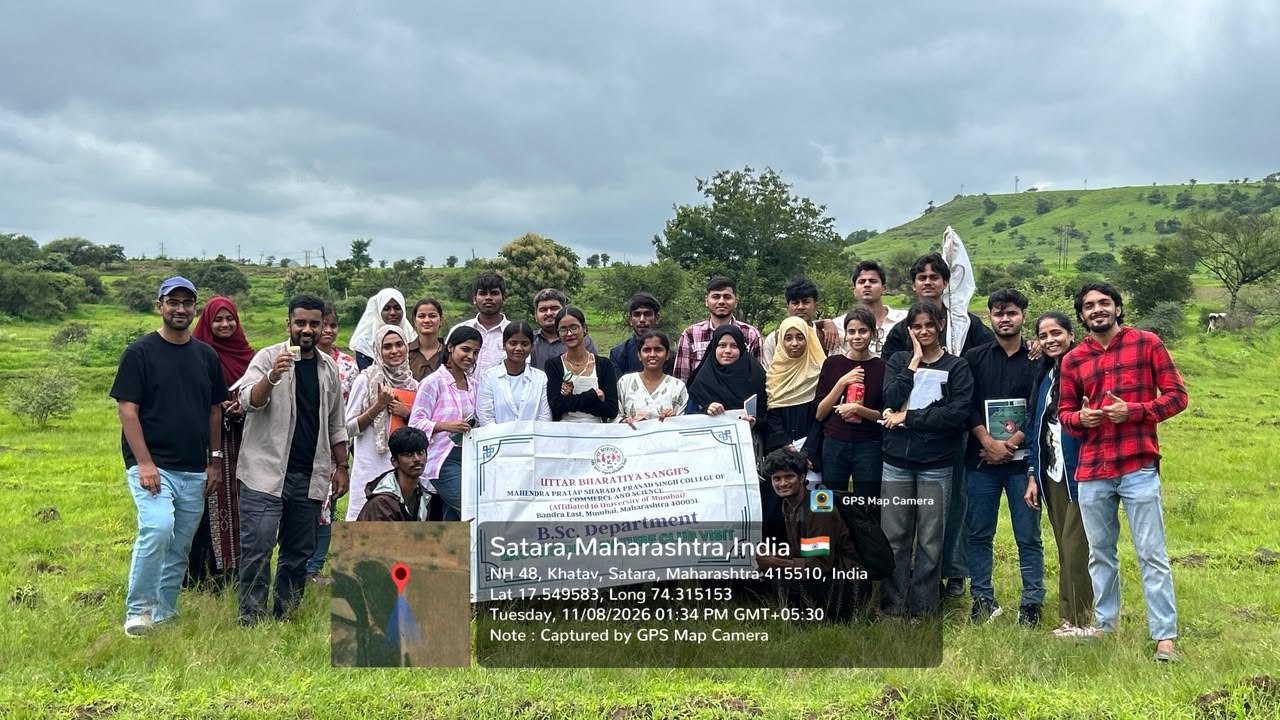
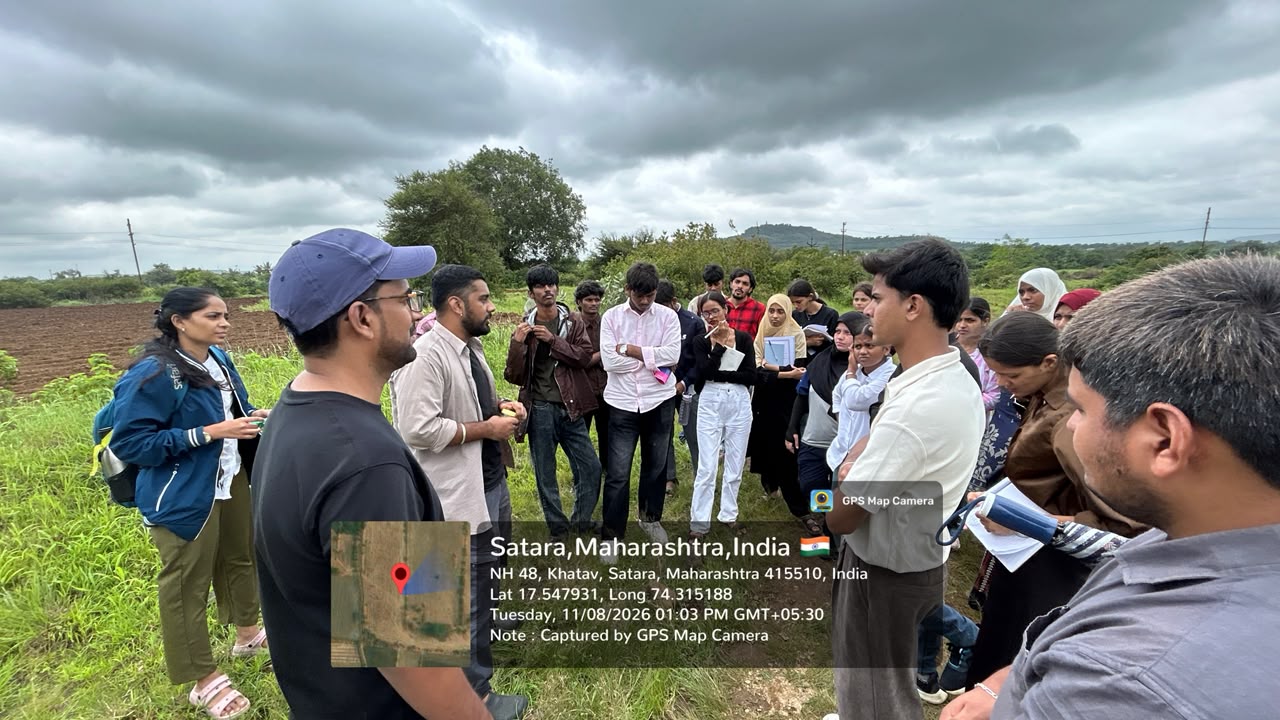
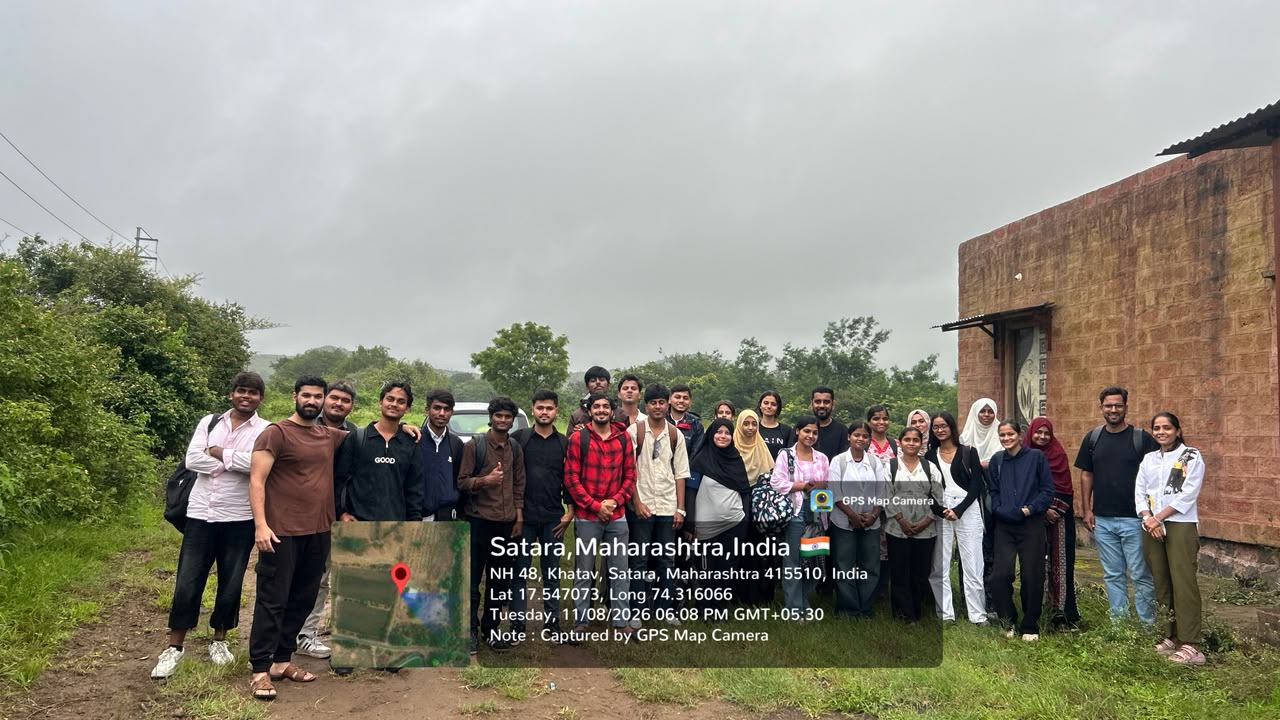
The Department of B.Sc., Mahendra Pratap Sharada Prasad Singh College of Arts, Commerce & Science, organised a One-Day Educational Excursion Visit to the Entomon Institute of Invertebrate Zoology, Aundh Study Site, District Satara, on 11 August 2026.
The excursion was designed to provide students with an opportunity to move beyond the classroom and engage in experiential, field-based and observation-oriented learning. The visit enabled students to directly explore concepts related to biodiversity, invertebrate zoology and ecology in their natural environment.
- Objectives of the Visit
The visit aimed to:
- Provide students with first-hand exposure to biodiversity and ecological systems.
- Enable practical observation of insects, butterflies, pollinators and other invertebrates.
- Develop understanding of microhabitats and ecological interactions.
- Familiarise students with field-study techniques, scientific observation and documentation.
- Connect theoretical concepts taught in the classroom with real-world biological systems.
- Encourage scientific curiosity, environmental awareness and biodiversity conservation.
- Promote experiential and student-centric learning through direct field engagement.
- Experiential Learning and Academic Engagement
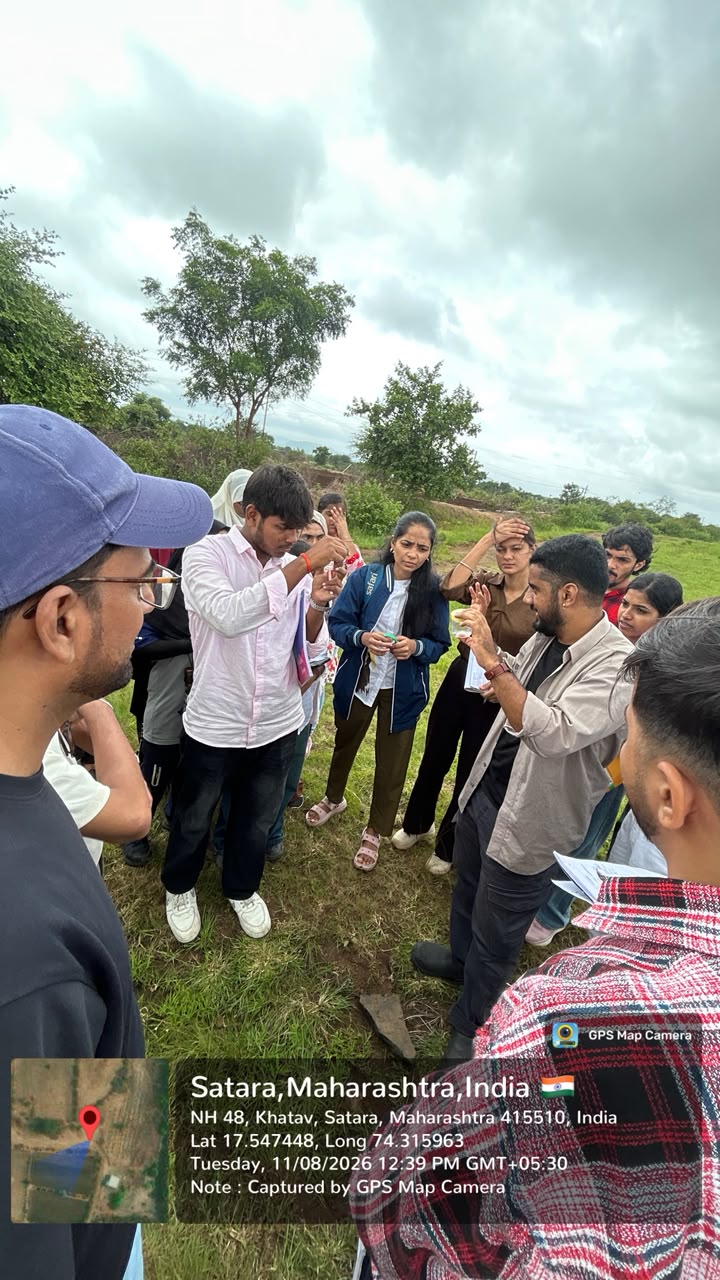
The study visit offered students an immersive learning experience involving observation, exploration and field-based enquiry. Students were encouraged to observe biodiversity in its natural setting and understand the relationships between organisms and their surrounding habitats.
The exposure to insects, butterflies and pollinators helped students appreciate their ecological significance and understand the importance of maintaining healthy and diverse ecosystems. The field experience also strengthened students’ ability to observe, identify, interpret and relate biological phenomena to concepts studied in their curriculum.
- Expert Interaction
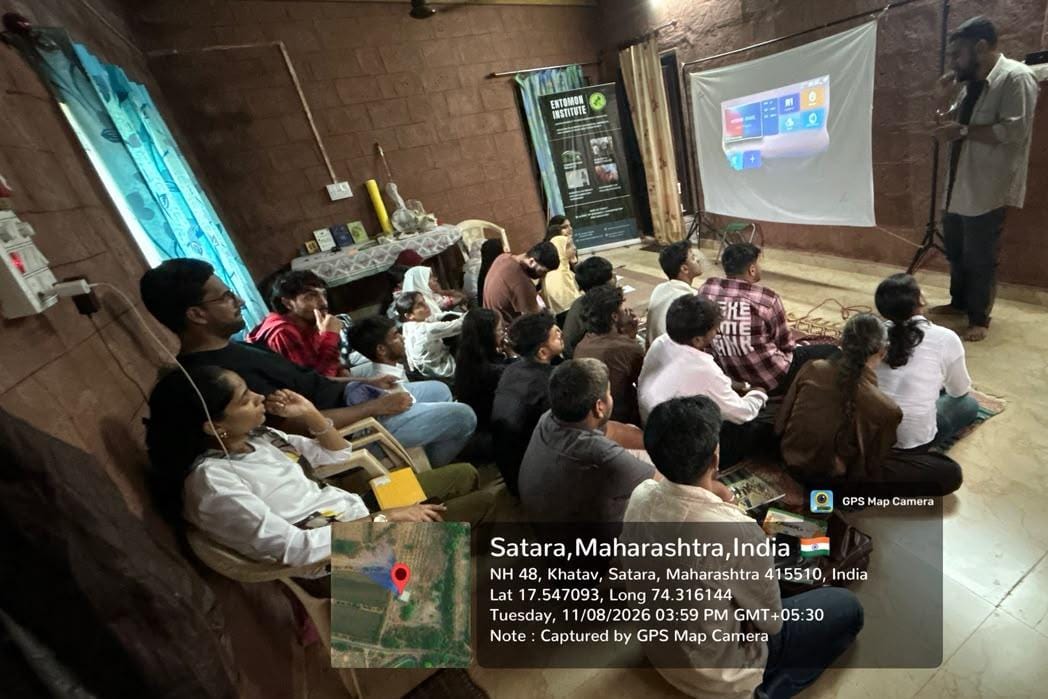
The academic value of the excursion was significantly enhanced through interactions with experts from the field.
The Department sincerely acknowledges:
- Mr. Eshaan Pahade, Founder & Researcher, for his warm welcome, valuable guidance and insightful interaction with the students.
- Mr. Himanshu Puranik, Educational Design Expert, for his informative guidance and educational insights.
- Mr. Nishant Asawdekar, Freelance Ornithologist, for sharing his field expertise and knowledge with the students.
Their interactions provided students with valuable perspectives on biodiversity, field research, ecological observation and scientific enquiry, enriching the overall learning experience.
- Learning Outcomes
At the conclusion of the visit, students were able to:
- Recognise the importance of biodiversity and ecological balance.
- Develop greater awareness of invertebrates, pollinators and their ecological roles.
- Understand the significance of microhabitats and species–environment interactions.
- Gain practical exposure to field observation and scientific documentation.
- Apply classroom-based biological concepts to real-world ecological situations.
- Develop greater appreciation for nature, conservation and environmental responsibility.
- Strengthen curiosity, observation skills, teamwork and independent learning.
- NAAC Perspective and Institutional Impact
The excursion exemplifies the institution’s commitment to experiential, outcome-oriented and student-centric education. By integrating classroom learning with field exposure and expert interaction, the initiative contributed to the holistic development of students and enhanced their practical understanding of scientific concepts.
The activity also promotes an institutional culture of environmental awareness, interdisciplinary learning, field-based research orientation and community engagement, thereby supporting the broader objectives of NAAC and NEP 2020.
- Conclusion
The One-Day Excursion to the Entomon Institute of Invertebrate Zoology was a meaningful academic initiative that transformed theoretical learning into a hands-on experience of observation, exploration and discovery.
The visit encouraged students to look at biodiversity not merely as a subject of study, but as a dynamic system that demands curiosity, scientific enquiry and responsible stewardship.
Observe. Explore. Learn. Experience.
Regards,
Department of B.Sc.
Mahendra Pratap Sharada Prasad Singh College of Arts, Commerce & Science